The pickup, in order
Pickup day is the shortest part of selling a junk car. Most of the work happened on the call: you described the car, we agreed on a price, and we sorted out whether your papers work. The visit puts that into effect.
The order:
- The driver arrives and finds the car. The clearer the location you gave (“garage off the alley, second from the corner”), the faster this goes.
- The car is checked against your description. Year, make, model, and the condition you told us about: whether it runs, what’s missing, what’s damaged.
- You show ID and the paperwork. The title, or the other papers we agreed on during the call.
- You sign the car over. On an Illinois title, the seller signs and prints in the seller’s section and fills in the odometer reading if it applies.
- You’re paid. Cash, Zelle or Cash App, whichever you chose.
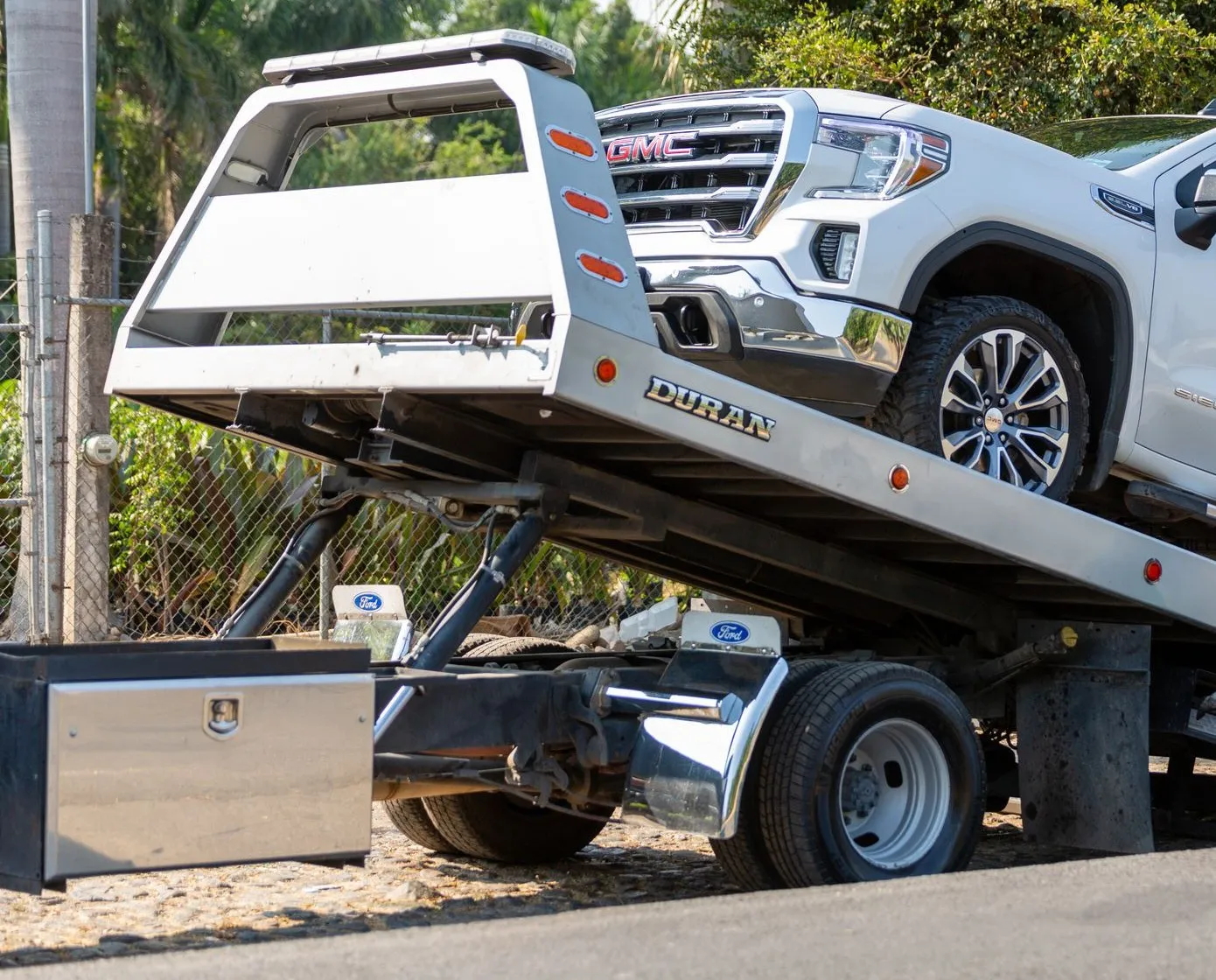
- The car is loaded and leaves. The tow is free, and nothing comes off the price for it.
What the driver checks, and why
The check isn’t a second negotiation. It’s there because the price on the phone was based on your description, and the driver confirms that’s the car on the ground. The things that matter:
| What’s checked | Why |
|---|---|
| Year, make and model | It’s the car you described |
| Whether major parts are there | An engine, transmission or catalytic converter missing changes the value |
| Damage you mentioned | Confirms the description; no surprises either way |
| Papers and ID | The person selling has the right to sell |
If something big wasn’t mentioned, the driver will say so before anything is signed. You can accept the new figure or decline and keep the car. Nobody pressures you on the curb.
The paperwork moment
With a title, this is quick. Sign where the seller signs, print your name, and write the odometer reading if the title asks for it. Don’t sign in the buyer’s section and don’t cross anything out; a wrongly signed title is the one thing that can stall a pickup on the spot.
Without a title, the papers we agreed on the call come out here: a registration card, an insurance card, a bill of sale, or what else we discussed. Illinois rules decide which papers can replace a title on a scrap sale, which is why we settle that before the visit, not during it. Our no-title page explains how.
After the sale, Illinois sellers should file a Seller’s Report of Sale with the Secretary of State. We explain it in what to do before the tow truck arrives.
Payment
You’re paid at the car, before it leaves. You pick the method on the call:
- Cash, counted out at the curb,
- Zelle, sent to your phone number or email,
- Cash App, to your $cashtag.
Several cars at one address are paid for in the same visit.
What stays with you
- License plates. In Illinois, plates stay with the owner, not the car. Take them off before pickup.
- Belongings. Glove box, trunk, under the seats, the spare-tire well.
- Toll transponder, garage opener, parking permit. These are easy to forget on the windshield or visor.
Where the car is matters most
The biggest variable on pickup day isn’t the car, it’s where it sits. A car at the curb or at the end of a driveway is quick. A car in a back garage with flat tires, or in a tight corner of a shared lot, needs more care. That’s why we ask. For cars that won’t roll, read moving a car that won’t roll; for the tow itself, see non-running car removal.
Places with tricky access have their own notes. In Chicago’s Altgeld Gardens, only Indiana Avenue and 130th Street lead in, so tell us which side you’re on. In our home village of Riverdale, alley stops are limited to loading and unloading, so the car shouldn’t be left waiting in the alley.
When to book
We pick up from 7 a.m. to 9 p.m., every day. If you’d like it gone today, call in the morning; our guide to same-day junk car removal explains what makes that work. Every guide is listed on the answers page.